PLAPHENOMENALLONGEVITYALLIANCE
Phenomenal Longevity AllianceVol. I · Issue 04 · August 2026ISSN-PLA-2026

The Longevity Medical Breakthrough Ledger

A hand-curated register of recent advances in longevity science — peer-reviewed publications, registered human trials, and competition milestones the Alliance is actively tracking. Entries are dated, tagged by domain, and cited to source. Educational content only; not medical advice.

Consult the AI research agent →

Special dispatch · agent-compiled research swarm · mid-2026

Stem Cell Breakthroughs & Clinical Trials — Consolidated Report

Four parallel research passes consolidated into a single intelligence brief.

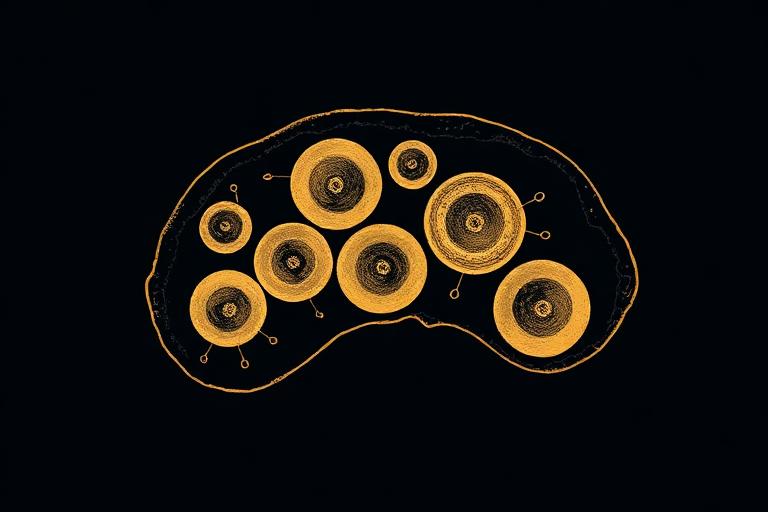
Fig. — Dopaminergic progenitors extending neural branches (illustrative).

1. Parkinson's disease — the biggest recent milestone

Academic-led clinical trials were the first to show that stem cell therapy has clear potential to treat Parkinson's — safe, and reducing motor symptoms of the disorder. Two landmark Phase I/II trials were published in Nature in April 2025.

  • Kyoto University (iPSC-based, Dr. Jun Takahashi): Seven patients aged 50–69 received bilateral transplantation of dopaminergic progenitors derived from induced pluripotent stem cells. No serious adverse events; cells survived, produced dopamine, no tumors.
  • Combined iPSC + embryonic-stem-cell trials: Across two studies enrolling 19 people, the iPS cell study showed an average +44.7% dopamine activity, dose-dependent, with no tumors 18 months after transplantation.
  • STEM-PD (embryonic, Europe): Multicentre first-in-human dose-escalation trial of hESC-derived dopaminergic cells; status now active, not recruiting.

"We are witnessing the emergence of a new type of stem cell medicine that is well-substantiated and scientifically proven."

2. Type 1 diabetes — closest to a "functional cure"
Stylized illustration of pancreatic islet cells with insulin and glucose
Fig. — Pancreatic islet cell cluster: beta cells secreting insulin in response to glucose (illustrative)

Of every regenerative program tracked in this report, Vertex Pharmaceuticals' zimislecel (formerly VX-880) sits closest to what patients and endocrinologists colloquially call a "functional cure" for type 1 diabetes — a disease in which the immune system destroys the pancreatic beta cells that make insulin, leaving roughly 9 million people worldwide dependent on lifelong exogenous insulin, finger-stick glucose monitoring, and constant risk of life-threatening hypoglycemia.

What zimislecel actually is

Zimislecel is an allogeneic, fully differentiated pancreatic islet-cell therapy manufactured from human embryonic stem cells (hESCs). Vertex's directed differentiation protocol — built on the science acquired through the $950M purchase of Semma Therapeutics (Doug Melton's lab) in 2019 — walks pluripotent stem cells through a multi-step, GMP-scale process into functional islets containing both insulin-producing beta cells and glucose-responsive alpha and delta cells. The final product is infused via a single portal-vein delivery, where the islets engraft in the liver and begin sensing glucose and secreting insulin the way a native pancreas would.

The FORWARD trial — headline data

  • Design. FORWARD is Vertex's ongoing Phase 1/2/3 trial (NCT04786262) in adults with T1D of at least five years, impaired hypoglycemic awareness, and ≥2 severe hypoglycemic events in the prior year. Participants receive chronic immunosuppression (typically an antithymocyte-globulin induction followed by tacrolimus + sirolimus or mycophenolate) to protect the graft.
  • Restored endogenous insulin — 100% of participants. In the 12-patient cohort reported at ADA 2025 and in NEJM, all 12 recipients developed detectable, glucose-responsive C-peptide (the biochemical fingerprint of endogenous insulin production) — a signal absent in long-standing T1D.
  • Insulin independence. 10 of 12 patients (83%) no longer required any exogenous insulin at the 1-year evaluation. The remaining 2 sharply reduced their daily doses. The cohort mean was a 92% reduction in exogenous insulin use.
  • Time-in-range (CGM). Participants moved from ~40–60% of the day in the 70–180 mg/dL target range at baseline to >70% post-treatment, comfortably exceeding the international consensus target for T1D.
  • HbA1c. Mean glycated hemoglobin fell from ~7.8% at baseline to under 6.5% — inside the non-diabetic range for most participants.
  • Severe hypoglycemia. Zero severe hypoglycemic events post-engraftment across the cohort in the reporting window — the outcome most directly tied to death and disability in brittle T1D.
  • Durability. The earliest treated participants are now beyond three years insulin-free, suggesting the graft is not a short-lived effect.

Regulatory posture

  • FDA Fast Track designation (2022) — granted for therapies addressing serious unmet need, permitting rolling review and more frequent FDA interactions.
  • FDA Regenerative Medicine Advanced Therapy (RMAT) designation (2024) — the highest-tier expedited pathway for cell/gene therapies, unlocking priority review eligibility and accelerated-approval consideration on surrogate endpoints.
  • EMA PRIME designation (European "priority medicines" scheme) — enhanced scientific and regulatory support in the EU.
  • Submissions. Vertex has publicly guided to BLA (US) and MAA (EU) submissions in 2026, positioning zimislecel to be the first stem-cell-derived medicine for T1D to reach a marketing authorization decision.

The two open problems

  • Immunosuppression. Because the islets are allogeneic hESC-derived cells, and because the underlying autoimmunity of T1D remains, every recipient today takes lifelong immunosuppressants with known long-term risks (infection, malignancy, nephrotoxicity). That's why current eligibility is limited to the highest-risk T1D population — patients whose hypoglycemia unawareness itself is life-threatening enough to justify the trade.
  • Eligibility. The addressable label at first approval will likely mirror the trial population: adult T1D with severe hypoglycemia and impaired awareness. Broader "any T1D" use waits on solving immune evasion.

The follow-on programs (where the field goes next)

  • VX-264 (zimislecel + device). Same islets, encapsulated in a proprietary immunoprotective device intended to eliminate the need for immunosuppression. Phase 1/2 in progress; initial signal watched closely.
  • Hypoimmune / gene-edited islets. Programs at Sana Biotechnology, CRISPR Therapeutics, and academic groups aim to edit HLA and immune-checkpoint genes so the transplanted islets are invisible to the recipient's immune system — the endgame that would open T1D cell therapy to the general patient population.
  • Autologous iPSC islets. Longer horizon: differentiate a patient's own reprogrammed cells into islets, sidestepping allogeneic rejection entirely. Early academic reports (China, Japan) in 2024–2025 provided first-in-human proofs of concept.

Why it matters for the Alliance

Zimislecel is the field's first genuine "manufactured organ substitute" derived from pluripotent stem cells to reach late-stage regulatory review. Whatever its label is in 2026–2027, it establishes the manufacturing, delivery, and regulatory template that later regenerative programs — cardiac patches, dopaminergic grafts, hepatocyte therapies — will follow. It is, in practical terms, the proof that a pluripotent stem-cell-derived product can restore a lost organ function in humans, durably, at regulator-grade evidence levels.

3. Osteoarthritis / knee — large trial, but no proof yet

In January 2026, MEDIPOST announced $140 million to advance Phase III trials of umbilical cord blood-derived mesenchymal stem cell therapy for knee osteoarthritis, with results expected in 2028–2029. Honest bottom line: proven, FDA-approved stem cell therapy for knee osteoarthritis remains years away — benefits appear modest with substantial uncertainty.

4. Overall safety and regulatory picture

A major review identified 115 global clinical trials involving 83 distinct pluripotent-stem-cell-derived products; over 1,200 patients have been dosed with no significant safety concerns reported. FDA guidance published in September 2025 enables regenerative medicine companies to use an expedited approval program. The ISSCR continues to recommend treatment only within approved clinical trials.

Consolidated status table

ConditionLead programStageHeadline result
Parkinson'sKyoto iPSC / STEM-PDPhase I/IISafe; dopamine ↑ ~45%; no tumors at 18 mo
Type 1 diabetesZimislecel (VX-880)Phase 1/2/310/12 insulin-independent at 1 yr
Knee osteoarthritisMEDIPOST umbilical MSCPhase IIIEnrolling; results 2028–29
Blood / marrowEstablished transplantsApprovedStrongest, FDA-validated outcomes

Important framing. These are investigational therapies. The Parkinson's and diabetes trials are early-phase (safety-focused, small patient numbers), most require immunosuppression, and none of the newer regenerative therapies covered here are FDA-approved for general use yet — the established exception is blood/marrow transplantation. Emerging · under clinical review · investigational.

Register of entries

Selected advances, ordered by year of record.

Section

2026

  1. Entry
    01
    Imaging · early-detection infrastructureAnnounced 2026 · facility opening San Francisco, 2027

    Midjourney Medical — full-body ultrasonic scanner (reported)

    Midjourney Medical · community-backed research lab

    Fig. 01Concept reel — Midjourney Medical scanner & spa

    Midjourney — best known for AI-generated images — has reportedly announced Midjourney Medical, a full-body ultrasonic scanner. The user steps into a shallow pool of warm water and descends through a ring of roughly half a million grain-of-sand-sized sensors, each acting like a dolphin emitting ultrasonic waves from every angle to produce MRI-quality images of organs, muscles, and bones in under 60 seconds — described as nearly 100× faster than a traditional MRI. The hardware is wrapped inside a spa concept (hot tubs, saunas, cold plunges, hidden scanner), with the first location targeted for San Francisco in 2027 and a stated goal of 50,000 scanners worldwide by 2031 — enough to scan a billion people per month. Positioned as a fully community-backed research lab with no traditional investors. Note: this is a company announcement circulating on social channels, not peer-reviewed work — included here because it points at the kind of consumer-grade early-detection infrastructure the Alliance is tracking.

    Cite: Source clip — IE Explains / Midjourney Medical

  2. Entry
    02
    Stem cell rejuvenationPublished May 2026

    Aged blood stem cells restored to a youthful state

    Icahn School of Medicine at Mount Sinai / Black Family Stem Cell Institute

    Researchers reversed aging in hematopoietic stem cells in mice by correcting lysosomal dysfunction — the overactive, damaged "recycling centers" that drive stem cell decline. Treated cells regained balanced blood production, healthier metabolism and epigenetics, and lower inflammation, with an eightfold-plus boost in blood-forming capacity. Published in Cell Stem Cell; preclinical (mice), with implications for transplants in older patients and age-related blood disorders.

    Cite: Mount Sinai — Cell Stem Cell

  3. Entry
    03
    Partial reprogramming — clinicalJune 2026

    First-in-human partial epigenetic reprogramming

    Life Biosciences (co-founded by David Sinclair)

    Life Biosciences dosed the first patient in a Phase 1 safety and tolerability trial of ER-100, a controlled partial reprogramming therapy using OSK transcription factors to reset epigenetic patterns and restore more youthful function in retinal ganglion cells. Targeting age-related optic neuropathies (open-angle glaucoma and non-arteritic anterior ischemic optic neuropathy). This marks the first human clinical testing of partial cellular reprogramming for an aging-related condition, building directly on years of preclinical restoration of youthful gene expression and tissue function. Primary endpoints focus on safety and visual function measures; initial data expected later in 2026.

    Cite: Life Biosciences — Phase 1 Trial

  4. Entry
    04
    Stem cell rejuvenation (bioelectric)2026

    Electrical pulses reverse stem cell aging

    UC San Diego / Stanford University

    Researchers showed that brief, controlled electrical pulses delivered to aged stem cells can trigger rejuvenation pathways by directly optimizing mitochondrial function and cellular metabolism — effectively "recharging" the cell. The intervention extended lifespan in model organisms (sea squirts) and opens an entirely new, non-chemical paradigm for mitigating stem cell decline and age-related tissue degradation. Preclinical, but the mechanism is broadly conserved across animals.

    Cite: UC San Diego Today — Sea Squirt Study

  5. Entry
    05
    Metabolic geroprotectorLate 2025 – 2026

    GLP-1 receptor agonists directly slow biological aging in humans

    UC San Diego / Nature Communications

    In a randomized, placebo-controlled human trial, semaglutide slowed the pace of biological aging by roughly 9% as measured by the DunedinPACE epigenetic clock. The drug reduced systemic inflammation and metabolic stress, with telomere lengthening observed in nearly 49% of participants. Provides some of the first concrete clinical evidence that widely-used metabolic therapies can double as system-wide geroprotectors. Independent replication and longer follow-up still needed.

    Cite: UC San Diego Today — Epigenetic Clock Study

  6. Entry
    06
    Clinical standards · bio-liquidity2026

    Standardization of MSC priming and autologous cell banking

    Mainstream translational medicine

    Clinical research is increasingly retiring the loose term "anti-aging" in favor of regenerative medicine, and standardizing "MSC priming" — a protocol where a patient's banked mesenchymal stem cells are preconditioned through dynamic incubation to simulate a resilient environment before reintroduction. Treating banked cells as a fluid personal asset ("bio-liquidity") lets therapies rely on a patient's own, epigenetically compatible younger biology rather than donor cells, helping mitigate chronic systemic inflammation. A field-wide shift in language and protocol rather than a single trial.

    Cite: Regenerative medicine — field overview

Section

2025

  1. Entry
    07
    Lifespan extensionPublished late 2025

    Two existing drugs extend remaining lifespan 73% in elderly male mice

    Conboy Lab, UC Berkeley

    Combining oxytocin (a repair hormone that declines with age) with an Alk5 inhibitor (which blocks the inflammation-driving TGF-β pathway) extended remaining lifespan by 73% in frail 25-month-old male mice — the human equivalent of starting treatment at 75 — with measurable gains in strength, endurance, and memory. Both compounds are already in clinical use or trials for other conditions. Key caveats: mouse study; benefits were durable in males only. Cover article in Aging-US.

    Cite: Conboy Lab — Aging-US

  2. Entry
    08
    Therapeutic plasma exchangePublished May 2025

    Therapeutic plasma exchange reduces biological age in humans

    Buck Institute for Research on Aging / Circulate Health

    In the first randomized, placebo-controlled human trial to use comprehensive multi-omics to evaluate a gerotherapeutic intervention, therapeutic plasma exchange (TPE) — especially biweekly TPE combined with intravenous immunoglobulin (IVIG) — reduced average biological age by 2.61 years (multi-omics biomarkers including epigenetic clocks) in adults over 50. The treatment reversed aspects of immune aging, modulated senescence- and inflammation-related proteins, and showed stronger effects in participants with poorer baseline metabolic or inflammatory markers. Benefits appeared rapidly after initial sessions. Larger and longer trials are needed to confirm functional outcomes and durability.

    Cite: Buck Institute — Aging Cell

  3. Entry
    09
    $101M competitionMay 12, 2025

    XPRIZE Healthspan — Top 40 announced

    XPRIZE Foundation

    XPRIZE Healthspan named its Top 40 Milestone-1 teams from 600+ entries. Teams must demonstrate a therapeutic that restores ≥10 years of muscle, cognitive, and immune function in older adults. Alliance council member Dr. Howard Leonhardt's Lionheart team is among the qualified competitors.

    Cite: XPRIZE Healthspan

Section

2024 and earlier — ongoing programs

  1. Entry
    10
    Cellular reprogramming2024–2025

    Partial reprogramming extends function in aged tissues

    Altos Labs / Salk collaborations

    Cyclic expression of Yamanaka factors (OSK) continues to show restoration of youthful gene-expression patterns and improved tissue function in aged mice, without dedifferentiation when dosed carefully. Altos Labs remains the largest privately funded effort translating this toward human biology.

    Cite: Altos Labs — Science

  2. Entry
    11
    Geroprotector trialPublished 2024

    Rapamycin in humans: PEARL trial readout

    AgelessRx / Dr. Sajad Zalzala et al.

    The PEARL (Participatory Evaluation of Aging with Rapamycin for Longevity) randomized trial reported improvements in lean tissue, pain, and quality-of-life measures in healthy adults taking weekly rapamycin, with an acceptable safety profile over 48 weeks. First large decentralized human geroprotector trial of its kind.

    Cite: PEARL trial — Aging (Albany NY)

  3. Entry
    12
    Biomarkers of aging2023–2025

    Second-generation epigenetic clocks track intervention response

    Horvath lab / Levine lab / TruDiagnostic

    DunedinPACE and GrimAge2 have matured into the field's most responsive biological-age measures, now used as primary or secondary endpoints in human longevity trials (caloric restriction, rapamycin, lifestyle). They are how trials are starting to prove an intervention actually slowed aging.

    Cite: DunedinPACE — eLife

  4. Entry
    13
    Senescent-cell clearanceOngoing 2024–2026

    Senolytics enter later-stage human trials

    Mayo Clinic / UT Health San Antonio

    Dasatinib + quercetin and fisetin continue in human trials for diabetic kidney disease, Alzheimer's, and frailty. Early readouts confirm senescent-cell burden can be reduced in humans; efficacy on hard clinical endpoints is what the next wave of trials is built to prove.

    Cite: Mayo Clinic senolytics program

  5. Entry
    14
    Regenerative cardiology2024–2025

    Cardiac regeneration: stem-cell and exosome therapies advance

    Lionheart / Leonhardt Ventures

    Bioelectric stimulation combined with autologous stem-cell and exosome delivery is being advanced in heart-failure and post-MI patients, with the goal of restoring contractile function rather than only slowing decline. Part of the Lionheart submission to XPRIZE Healthspan.

    Cite: Leonhardt Ventures

Correspondence. Have an advance the Alliance should register? Submit citations to info@atlaspower.ai for editorial review in the next issue.

← Return to the Alliance home